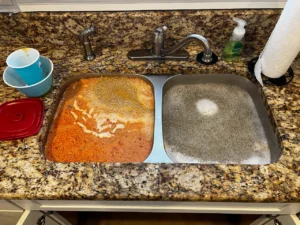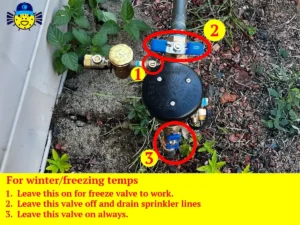
plumbing freeze protection tips

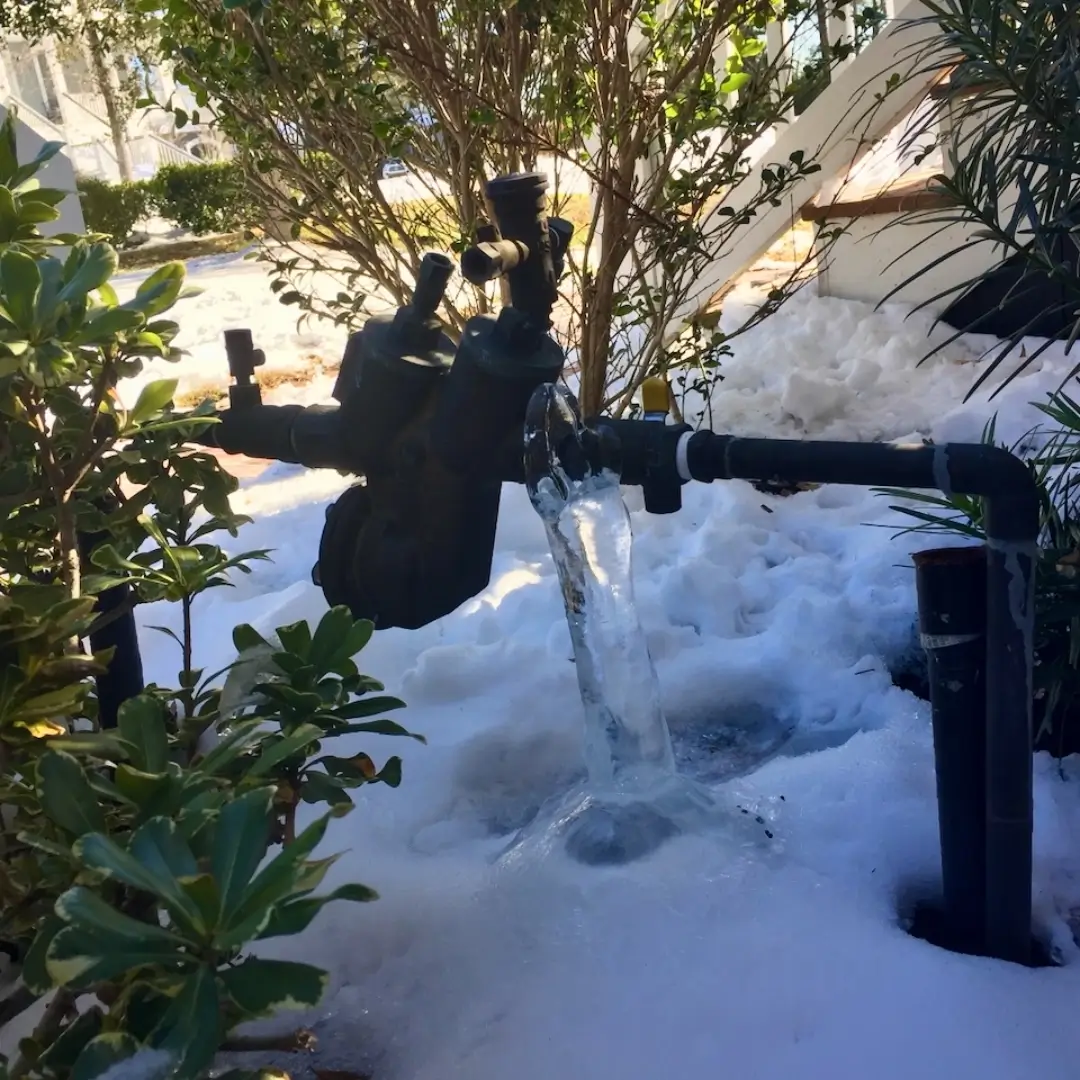
backflow freeze protection valve working during a freeze

Tips To Protect Your Plumbing During A Freeze

It doesn’t freeze very often in the South Carolina Lowcountry, but when it does, your plumbing can be seriously impacted. So when you see freeze warnings for our area, take the time to protect your plumbing and hopefully you’ll save yourself from an expensive plumbing repair bill.

Freeze damage can affect the plumbing at homes and businesses. With over 25 years of Lowcountry plumbing experience, we’ve seen what freezing temperatures can do to plumbing pipes and fixtures.

So what plumbing items suffer the most freeze damage?

freeze protection valve installed on a backflow prevention assembly.

#1 Backflow Prevention Assemblies

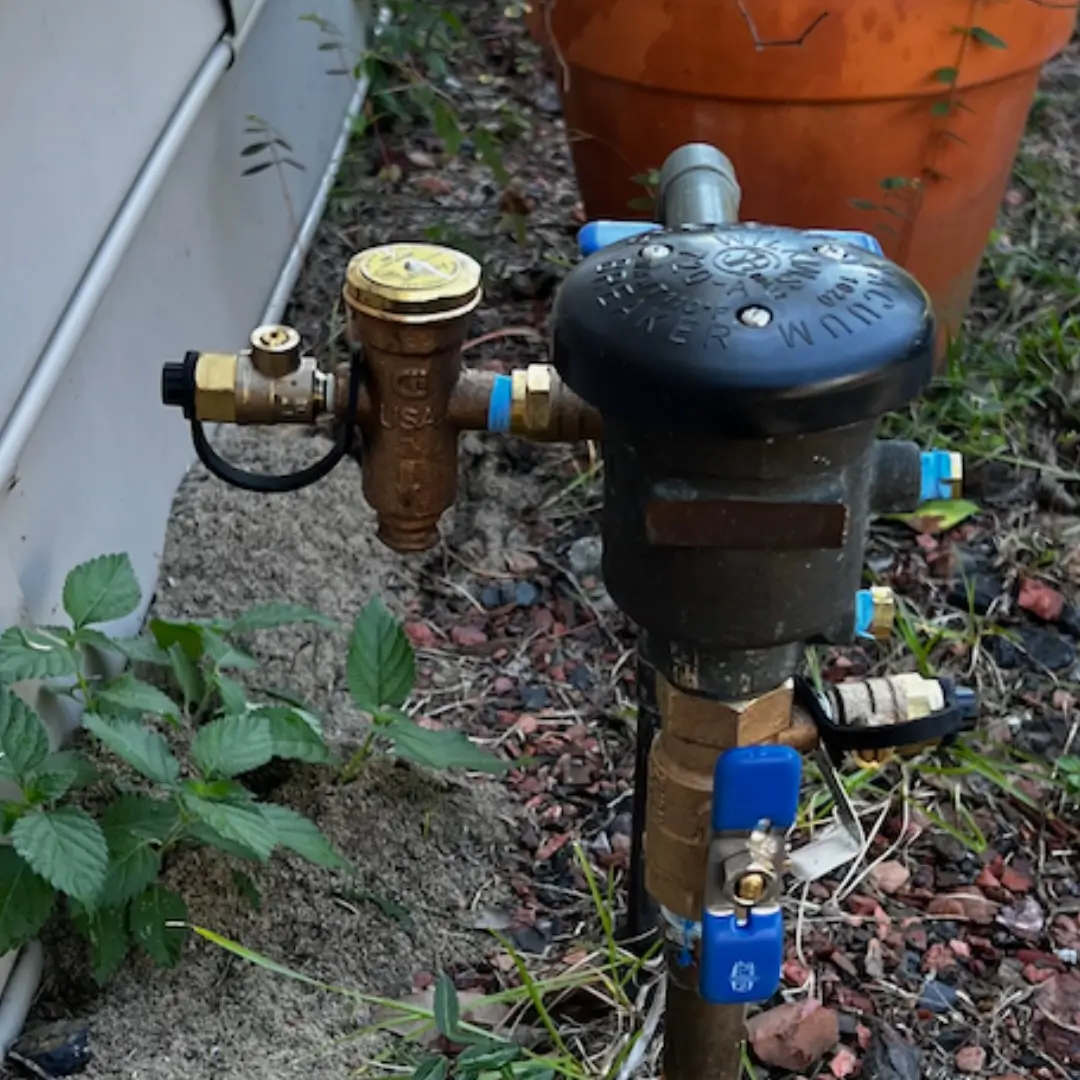
Every home with an irrigation system should have a backflow prevention assembly (BFPA). Many businesses are also required to have backflow prevention assemblies. BFPAs are the most common item that we see freeze every winter.

BFPAs are commonly made of brass and usually installed outdoors. Irrigation and fire service BFPAs are mostly stagnant and water will not move through the BFPA if you turn on a faucet indoors. So they are very susceptible to freeze damage when temperatures drop.

So how can you protect your BFPA from freezing?

First, heating the water to a temperature above freezing will work. But how can you do that? We don't recommend electric heat strips or portable heaters (electric, propane or kerosene) because there are too many safety concerns. Insulation bags, fake rocks, newspapers and blankets do not create heat so they will not prevent the water in your BFPA from freezing.

Our recommendation is to keep the water in your BFPA flowing. Our top choice is to install a freeze protection valve which will drip or stream as the temperature gets colder. You can also turn on the number 2 (PVB) or number 4 (RP/DCVA) test port and let it stream/heavy drip to keep the water flowing. Just be cautious of the ice that forms below and around your BFPA because ice is slippery and creates a fall hazard.

Hose bibs can freeze when temperatures freeze

#2 Hose Bibs

Hose bibs are the second most damaged plumbing item we see during a freeze. They too are made of brass and are exposed to the outdoor elements.

So how can you prevent them from freezing?

Keep the water flowing. I am personally trying the $25 freeze valves you can buy online or at one of the big home improvement stores. The theory is the same as the BFPA freeze protection valve. As the temperature nears freezing, the valve should drip and keep water flowing through the hose bib. I'll update you later as to my opinion on these plastic freeze protection devices.

We see a lot of hose bib covers. Please note, these covers do not produce heat so they will not prevent your hose bib from freezing.

You can also turn your hose bib on to a steady drip/stream. We recommend a stream to make sure enough water moves through the hose bib. ***But take caution because ice will form in the area around the hose bib creating a slip hazard.
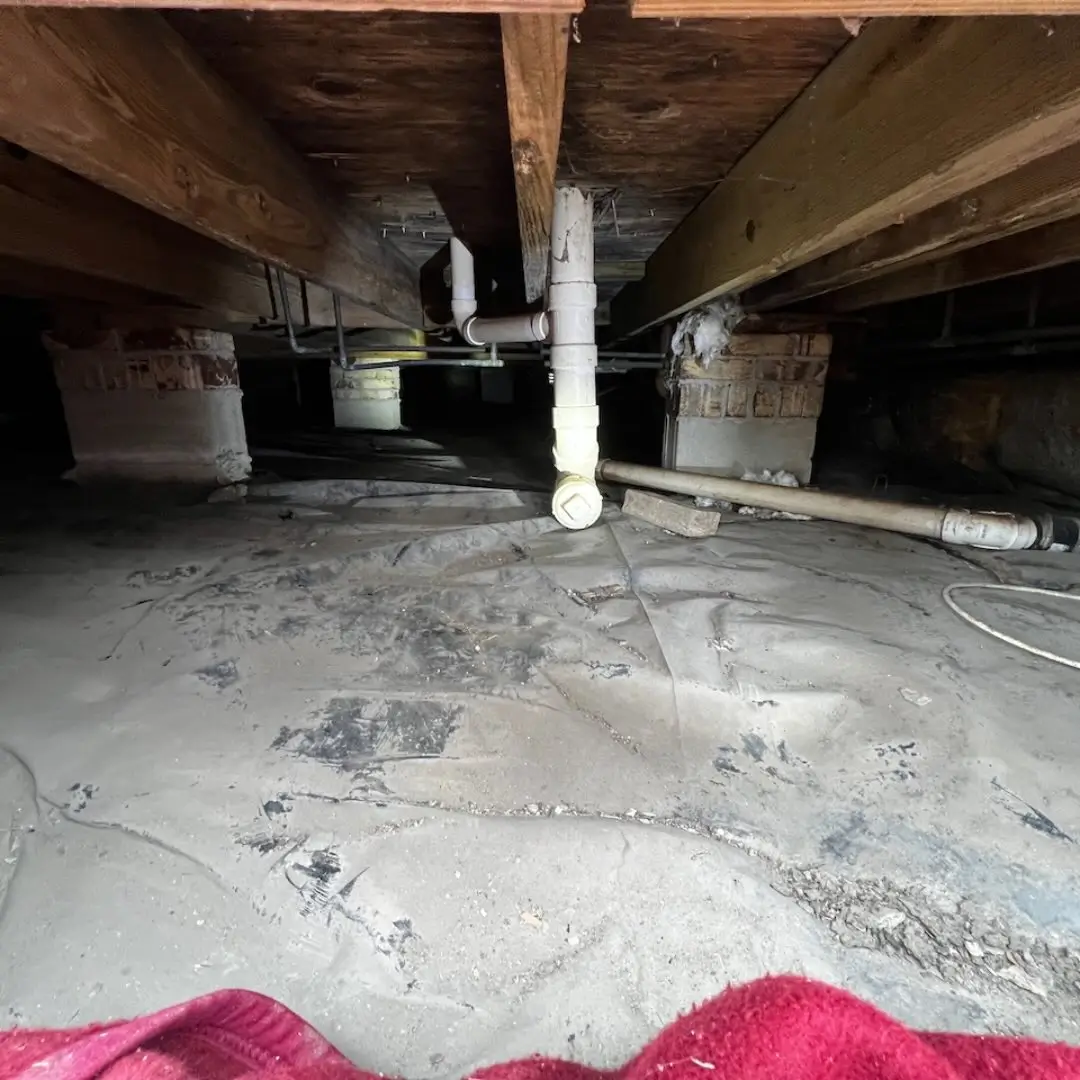
#3 Pipes In Crawlspaces and Attics

Pipes in crawlspaces and attics are also subjected to freezing temperatures, unless your crawlspace/attic is encapsulated and heated, which is not the normal setup in our area. We've even seen pipes freeze in the walls of some houses and buildings, especially empty houses/buildings with the heat turned off. So if you have an empty house or commercial building, we recommend winterizing it.

Copper, PVC and CPVC pipes crack as the water freezes and expands. PEX fittings and sometimes the pipe itself can also crack when the water inside freezes. Once the ice thaws, you're left with a major water leak.

So again, our recommendation is to keep your water flowing. Drip/stream multiple faucets (HOT and cold water) to keep as much water flowing through the pipes as possible.
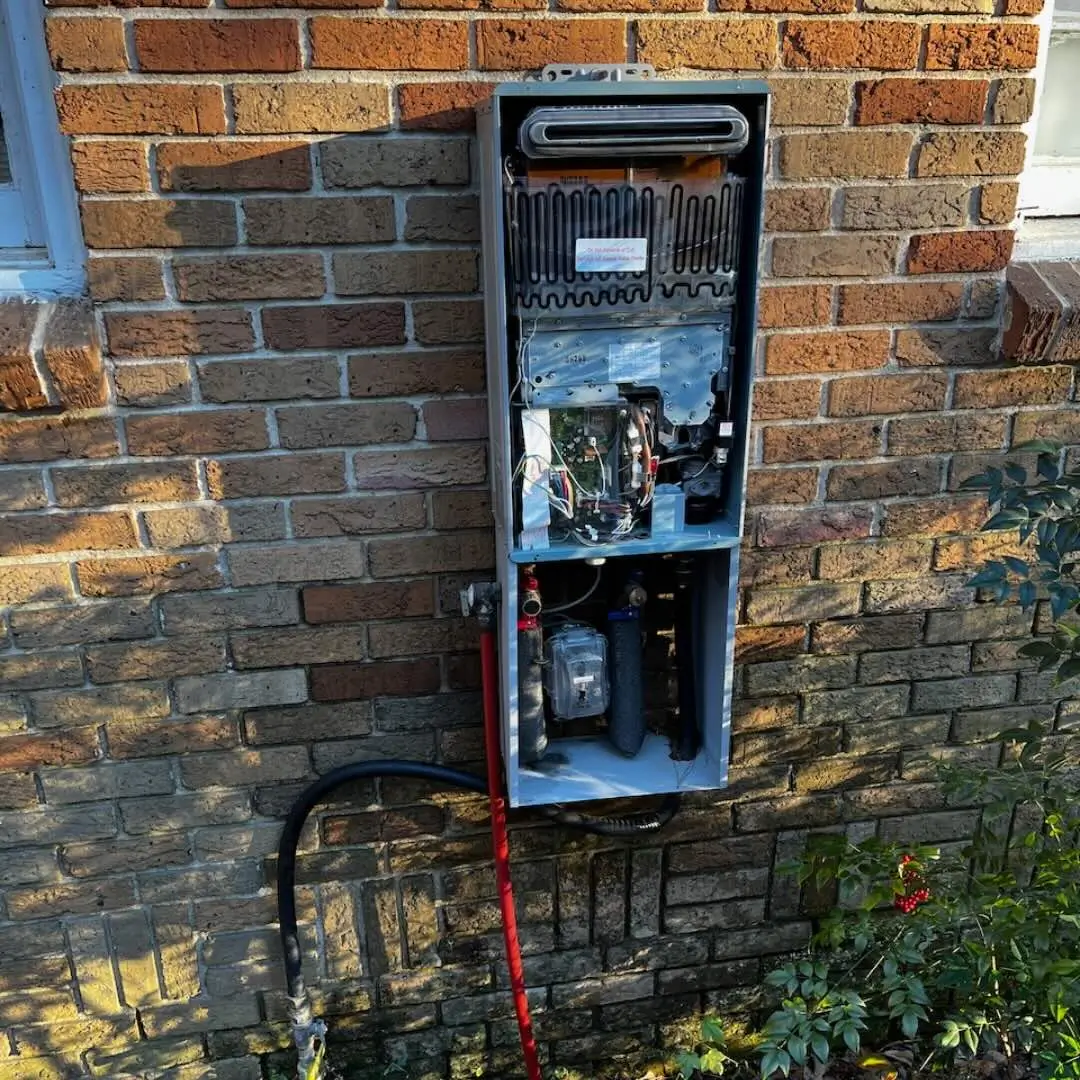
Outdoor water heaters can freeze.

#4 Water Heaters

Water heaters installed outdoors, in attics, in nonheated utility rooms, garages, and the rare crawlspace installation are all subject to freezing. Protecting your water heater from freeze damage is super simple. Just stream hot water from an indoor faucet(s).

Many people know to drip/stream cold water but forget to stream hot water. So please stream the hot water also to protect your water heater.

A Tip About Streaming Hot/Cold Water

I really don’t like the term “drip” your faucets in regards to freezing temperatures. Dripping might be fine if we hit the freezing mark for a couple of hours, but not when it’s going to freeze all night or for many days.

We recommend a steady stream of hot and cold water about the size of a thin speghetti noodle. You need enough water flowing to pevent the water in your pipes from freezing. I personally run multiple faucets (kitchen and baths).

Second, don’t stop streaming your faucets just because the sun comes out and the temperature jumps to 34 degrees. The water in your pipes does not warm up that quickly and sunlight is not an indicator that things will not freeze. I don’t stop streaming my faucets until the temperatures reach 38-40 degrees. But please note, if it hits 37 degrees during the day and it’s going to freeze again tonight, I just let my faucets continue to stream until the freeze is completely over. I’d rather spend a few dollars on my water bill than to fix a frozen pipe and deal with the damage it causes.

So again, for the low number of frozen nights we get, keep your water flowing until the freeze is completely over. Your bank account will thank you!

One More Question

Do you think plumbers enjoy fixing frozen pipes?

This plumber is a spoiled warm weather plumber because I choose to live in the Lowcountry. I love our mild winters because I can wear shorts and sweatshirt and usually have a comfortable walk on the beach in January/February.

Maybe a transplant from Chicago loves fixing frozen pipes, but this plumber would prefer to avoid them while having you save some money by not having a frozen pipe.

Good luck this winter and I hope this information helps you avoid costly plumbing repairs due to frozen pipes.

Share:

More Posts

Swell Guy Plumbing Co does not recommend using liquid clog removers.

liquid clog removers

Should you use liquid clog removers or liquid drain cleaners to try to remove a plumbing clog in your home?


Who Is Swell Guy Plumbing Co?

Swell Guy Plumbing Co is a local and licensed plumber serving the Charleston, SC Lowcountry area.

We bring over 25 years of Lowcountry plumbing experience to your home or office.

Steven Dyson, owner, is a lifelong Lowcountry resident, and a licensed plumber in South Carolina (M115194).

Serving: Goose Creek, Hanahan, Ladson, Moncks Corner, North Charleston, and Summerville, SC.

Please Note

Swell Guy Plumbing Co follows the warnings and guidance provided by our local public safety officials. During periods of freezing weather we may not be able to reach your location if the roadways are not safe for travel.

If You Need Help With A Plumbing Problem

Swell Guy Plumbing Co is ready to help, so feel free to call us because you’ll always speak to a knowledgeable Lowcountry plumber.

Swell Guy Plumbing Co is a local. licensed and experienced plumber serving Summerville, Goose Creek, Moncks Corner, Ladson, Hanahan, West Ashley and North Charleston, SC Lowcountry area.

Emergency Service

843-874-2590

Over 25 Years Of Plumbing Experience In The Lowcountry Area

© 2026 Swell Guy Plumbing Co.. All Rights Reserved. SC# M115194

Freeze Warning

Freezing temperatures are expected in our area.

Please take steps to protect your plumbing and avoid costly plumbing repairs.